78 Months, MFA Thesis Project
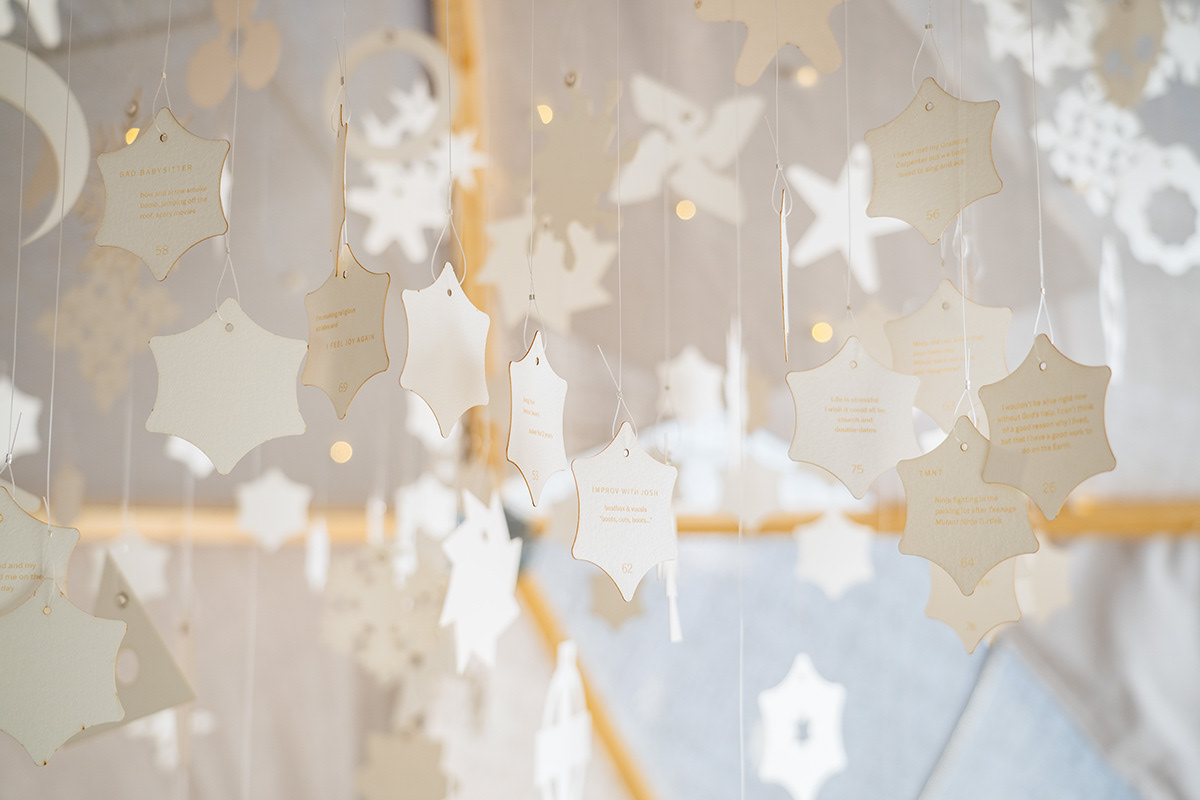
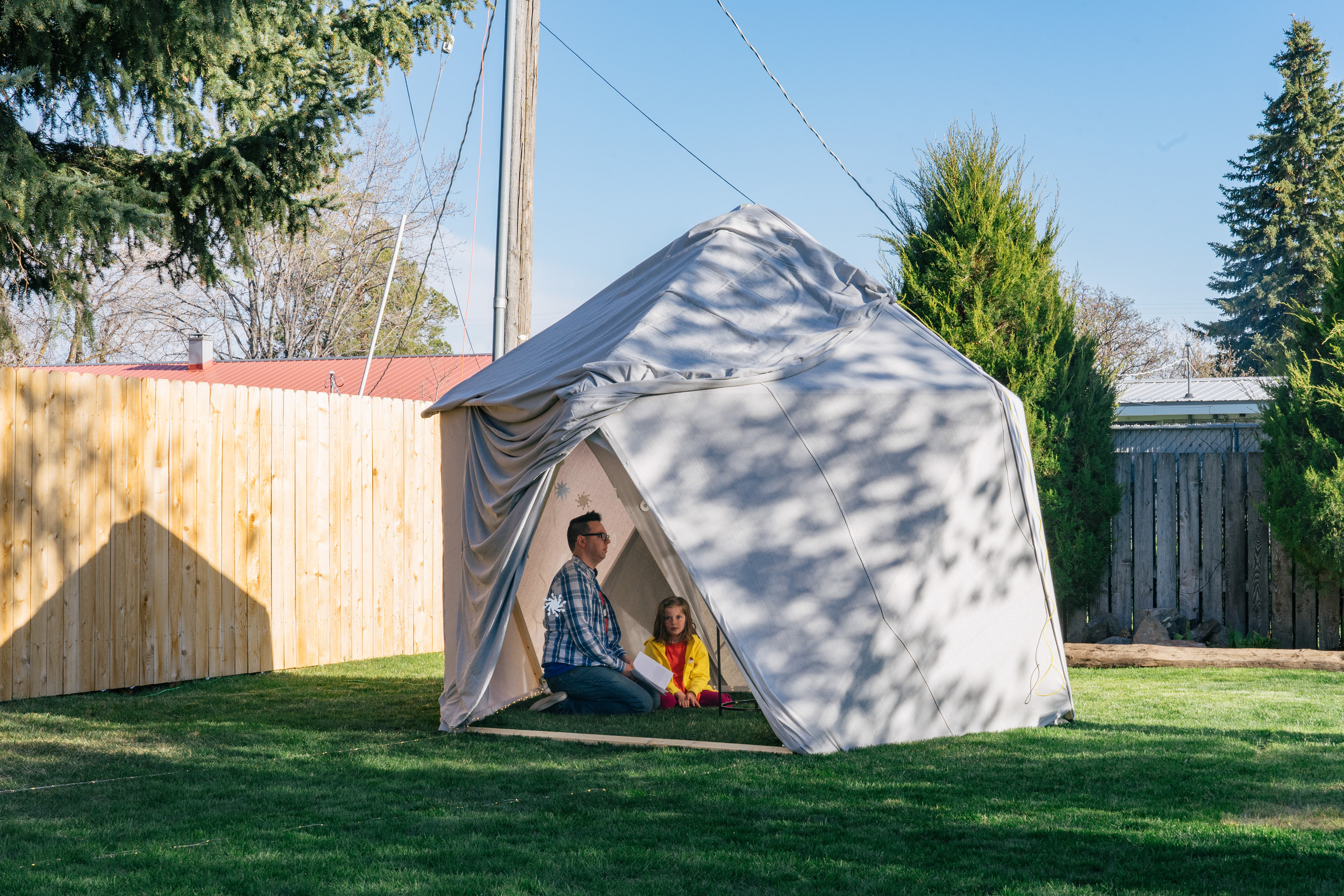
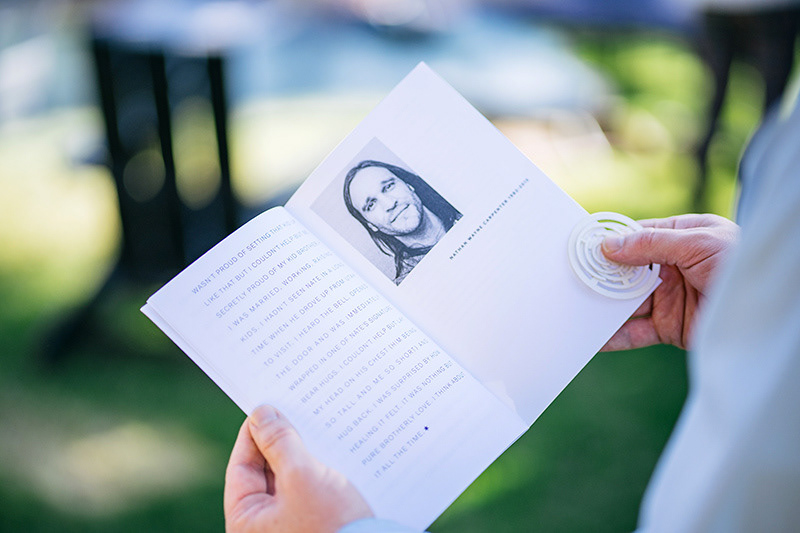
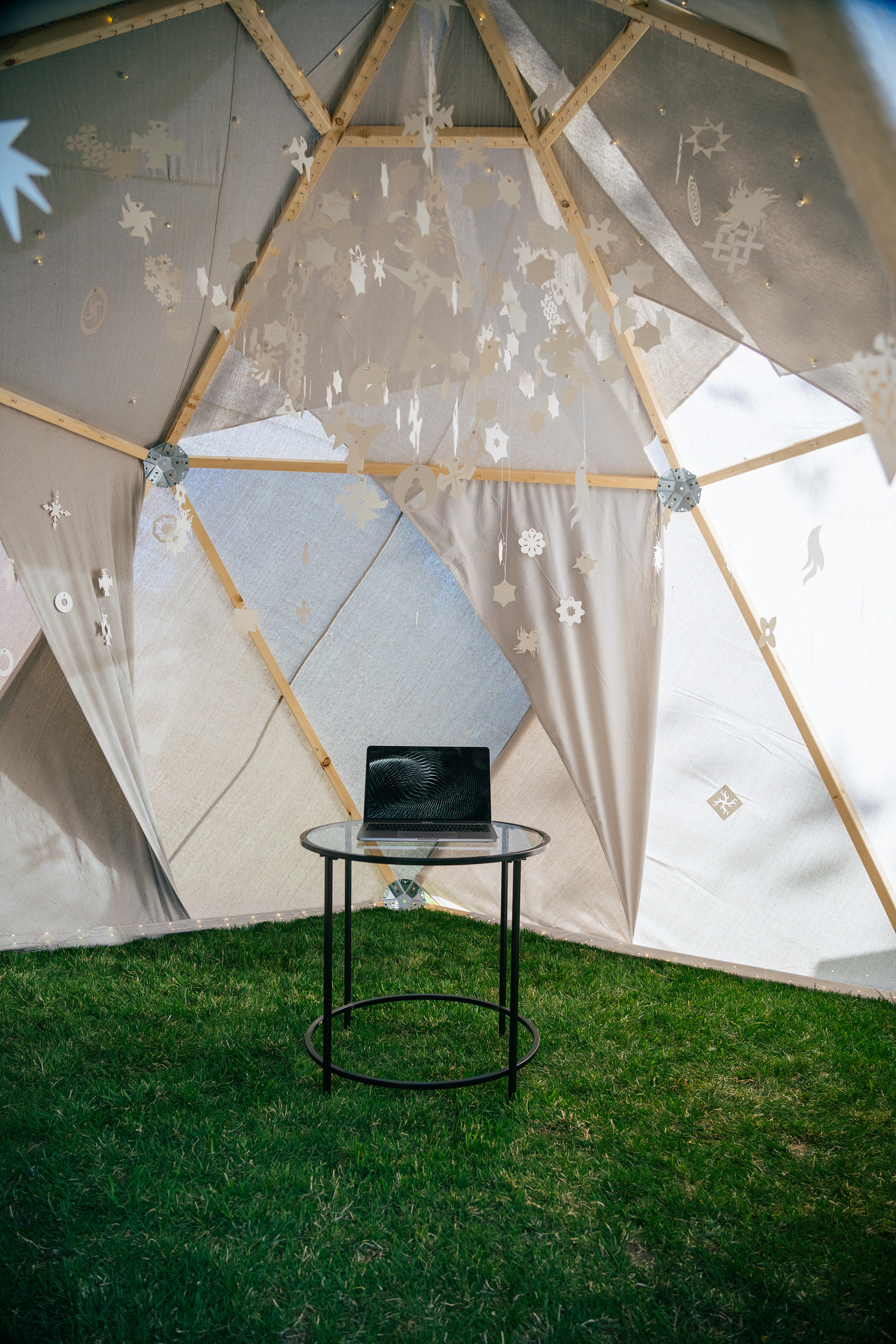
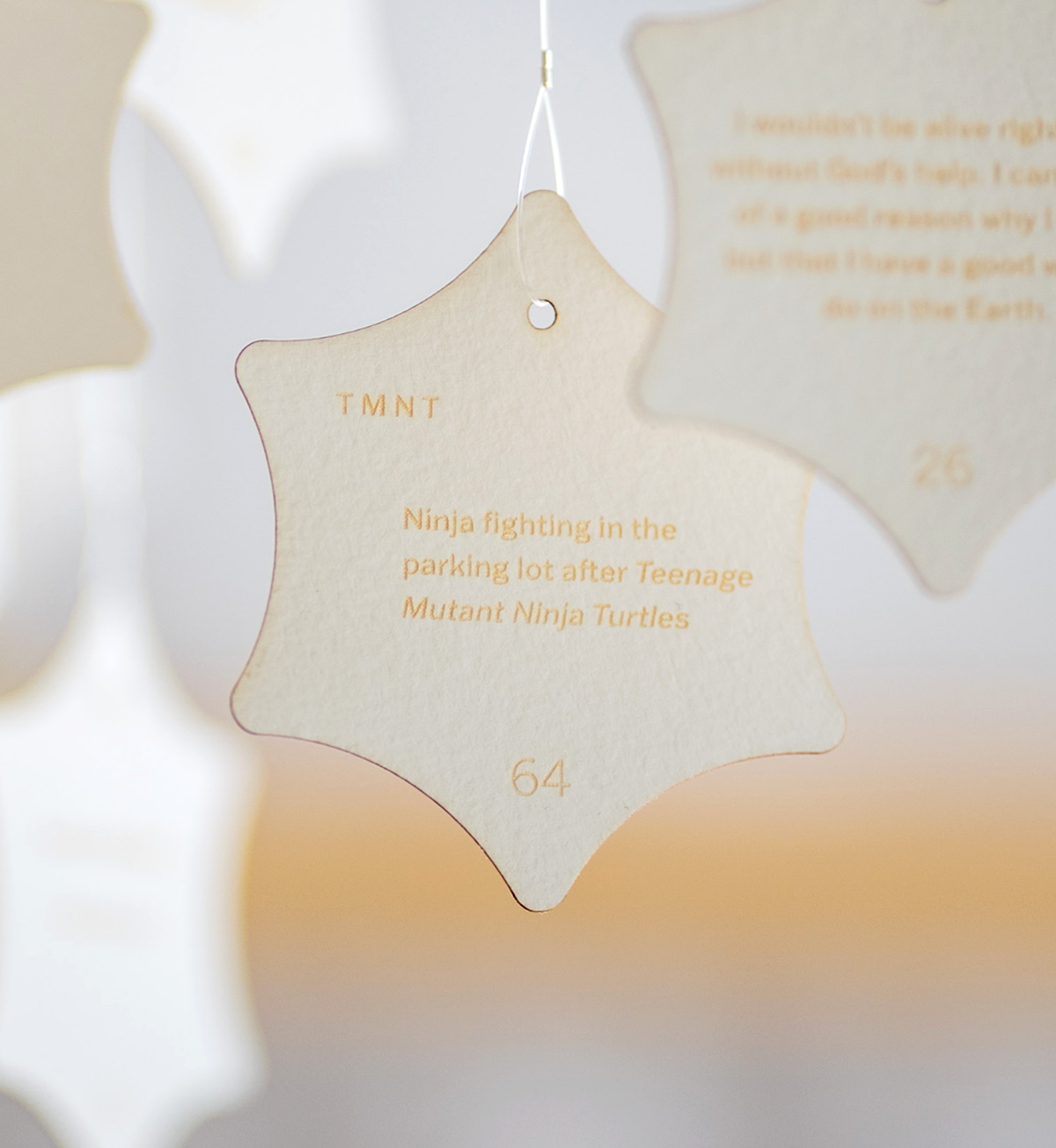
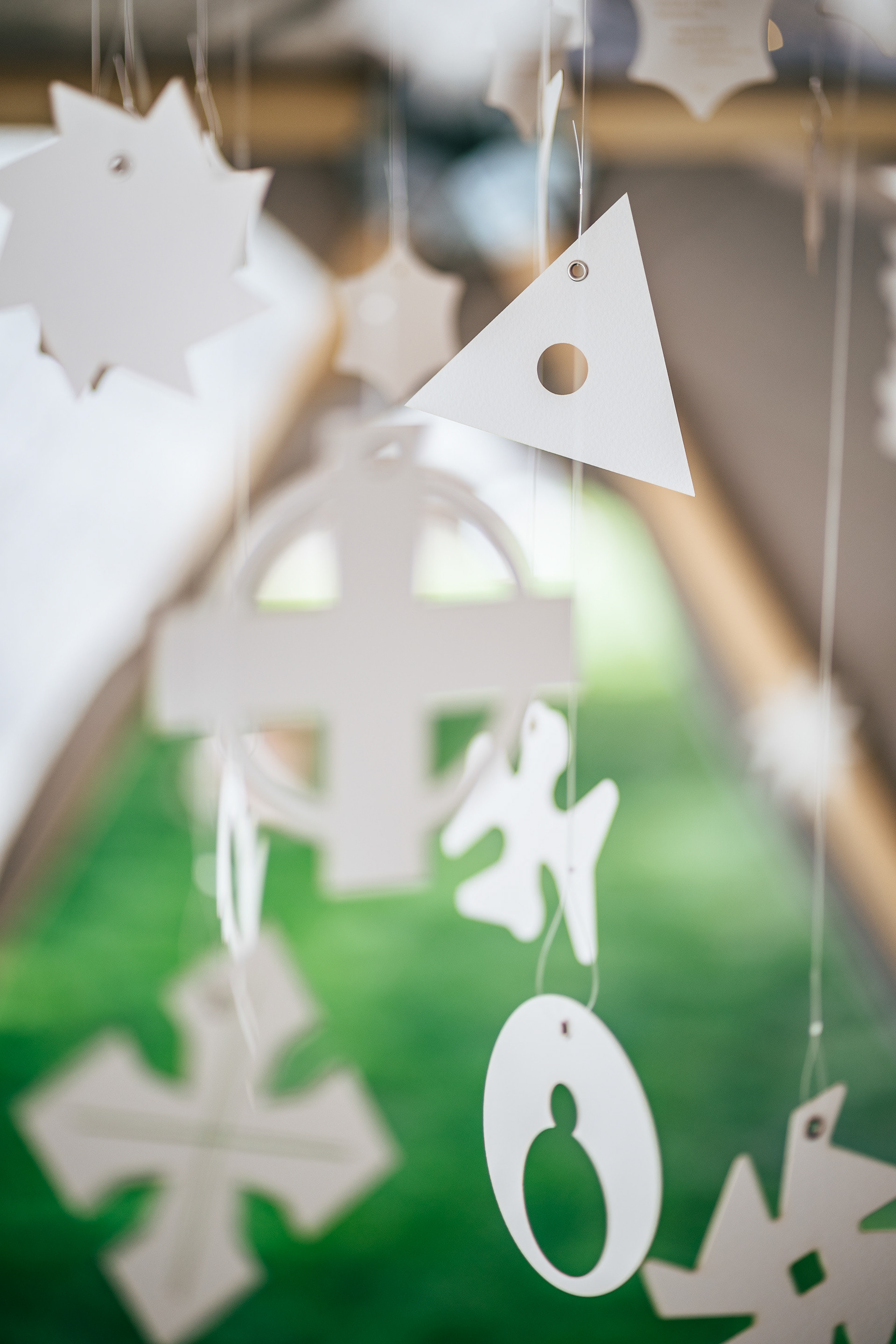
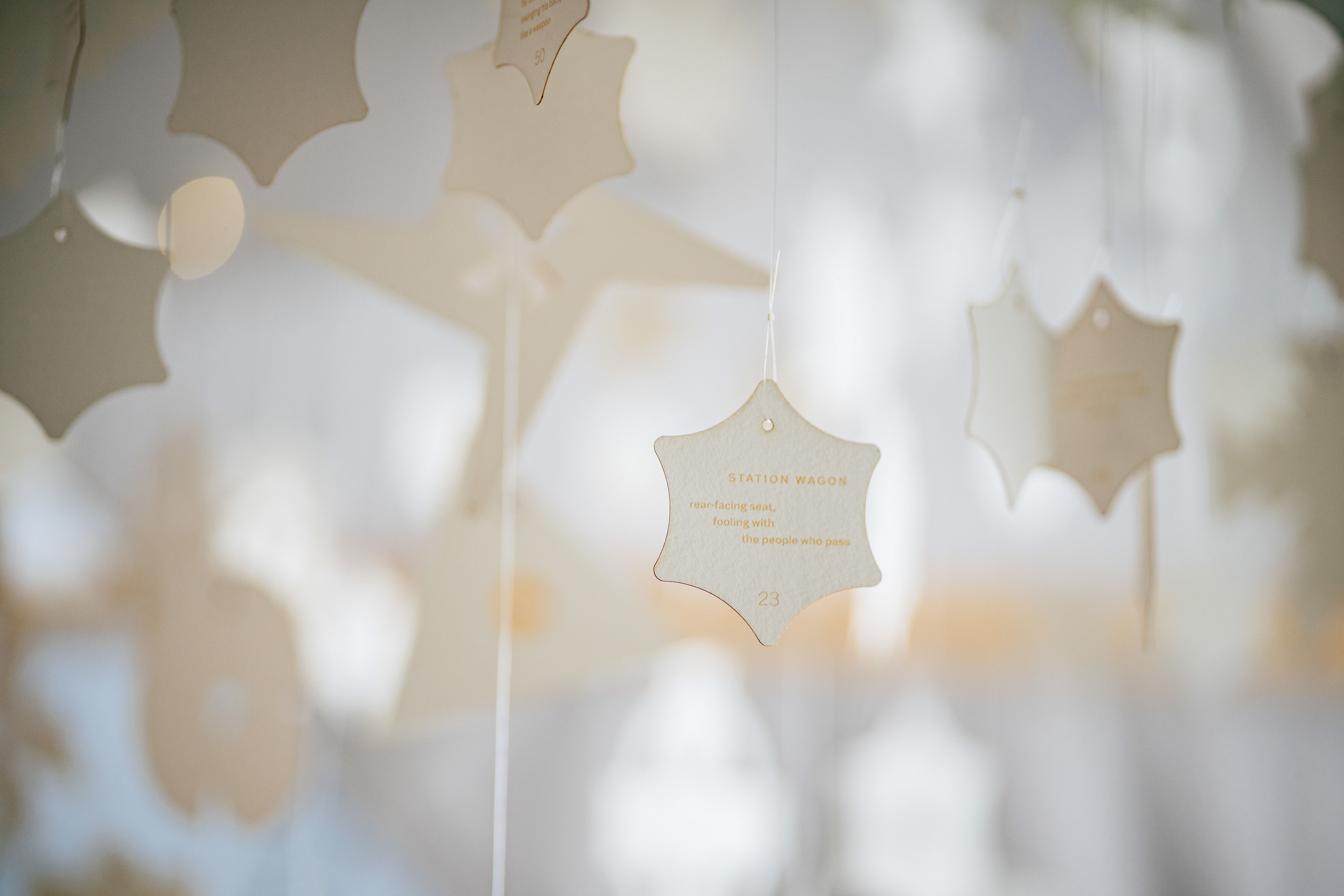
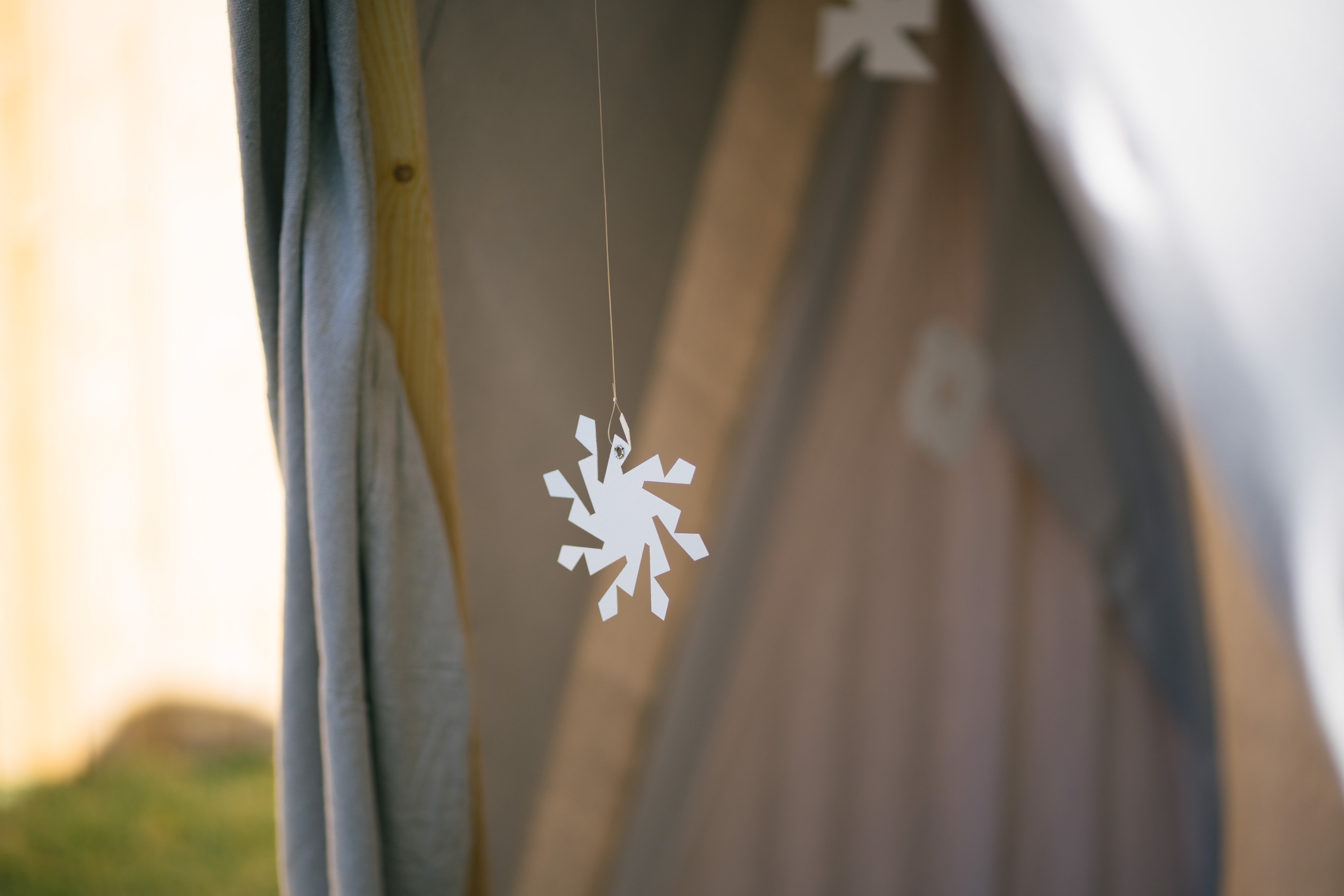
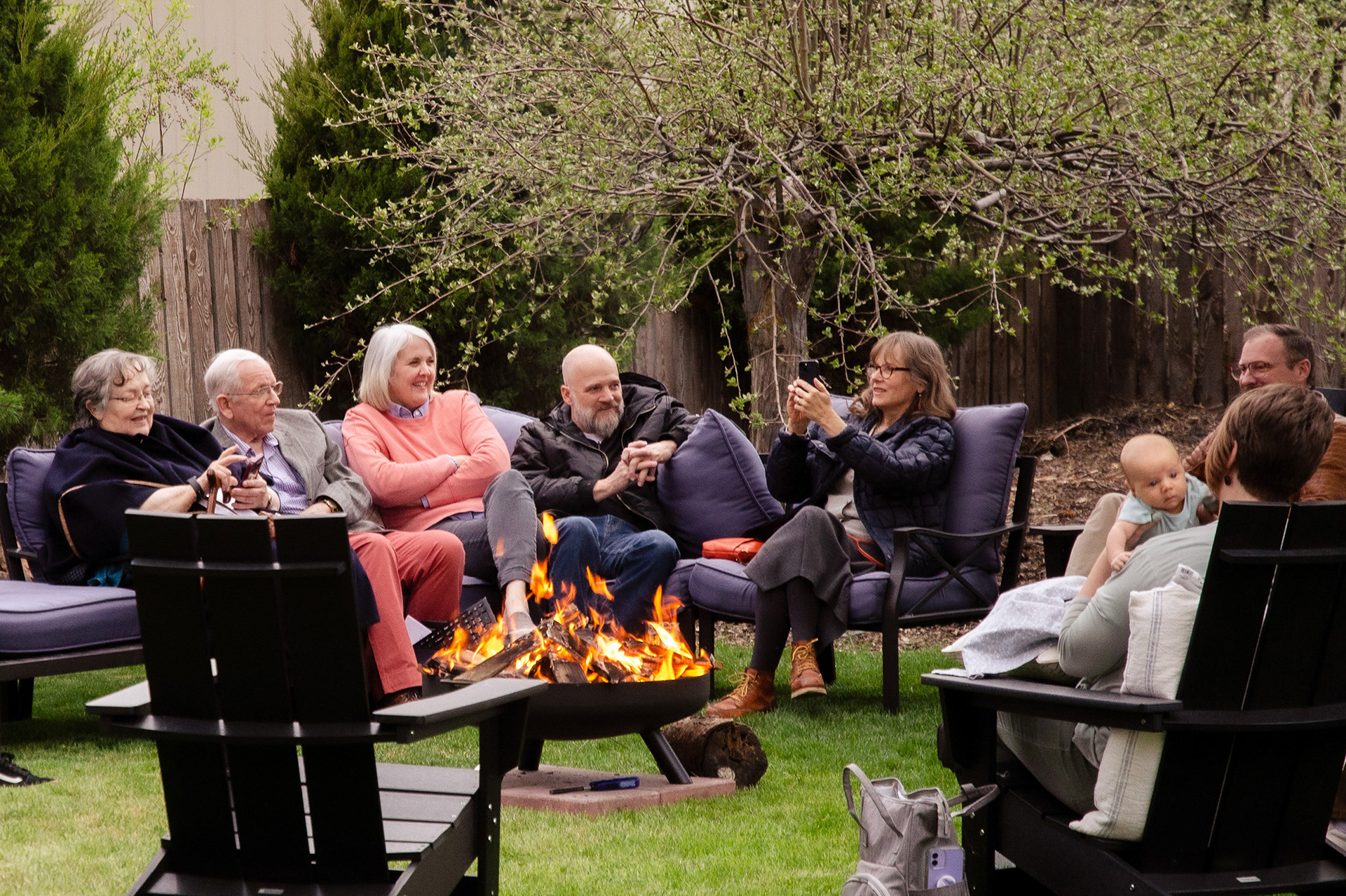
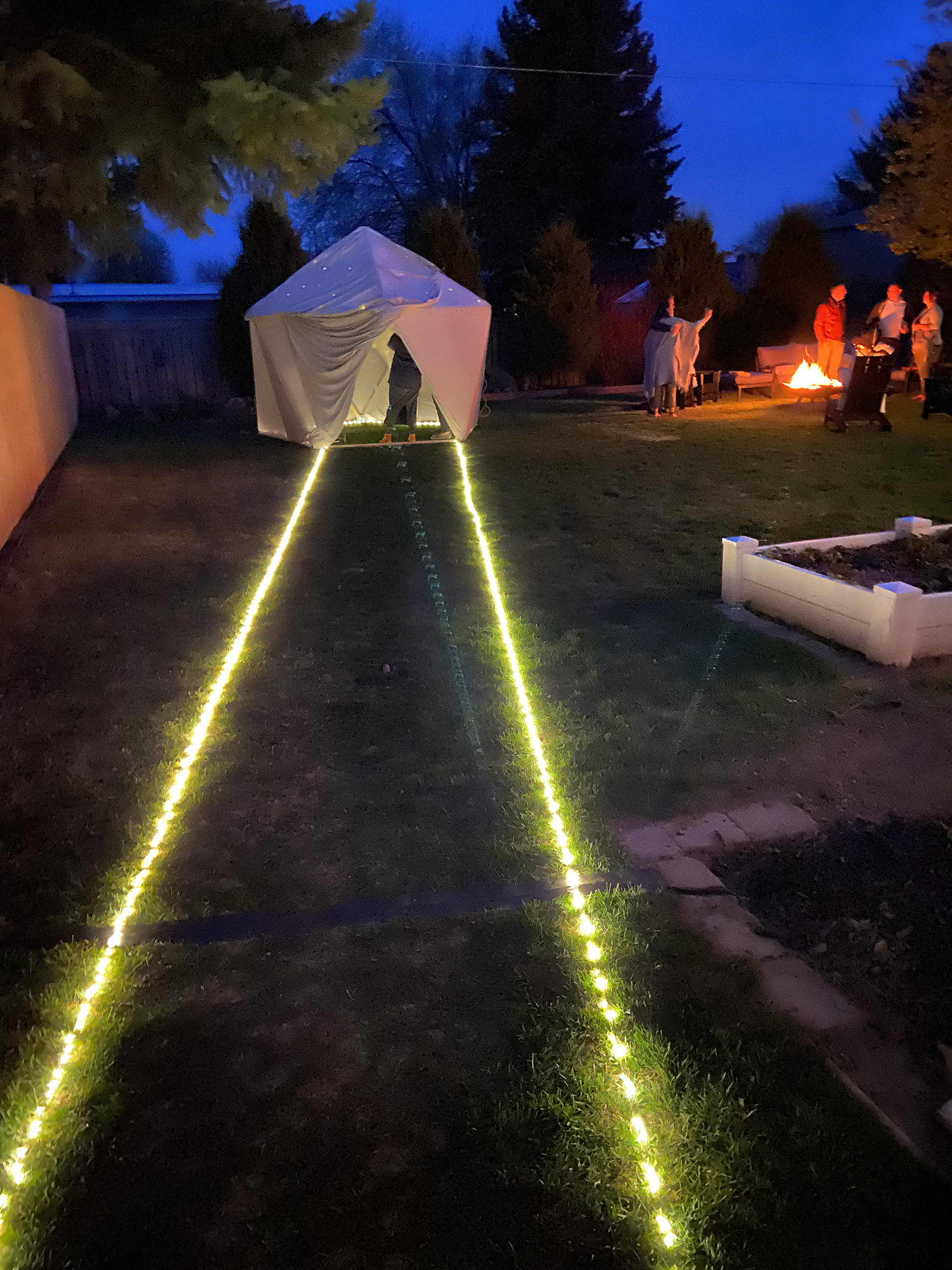
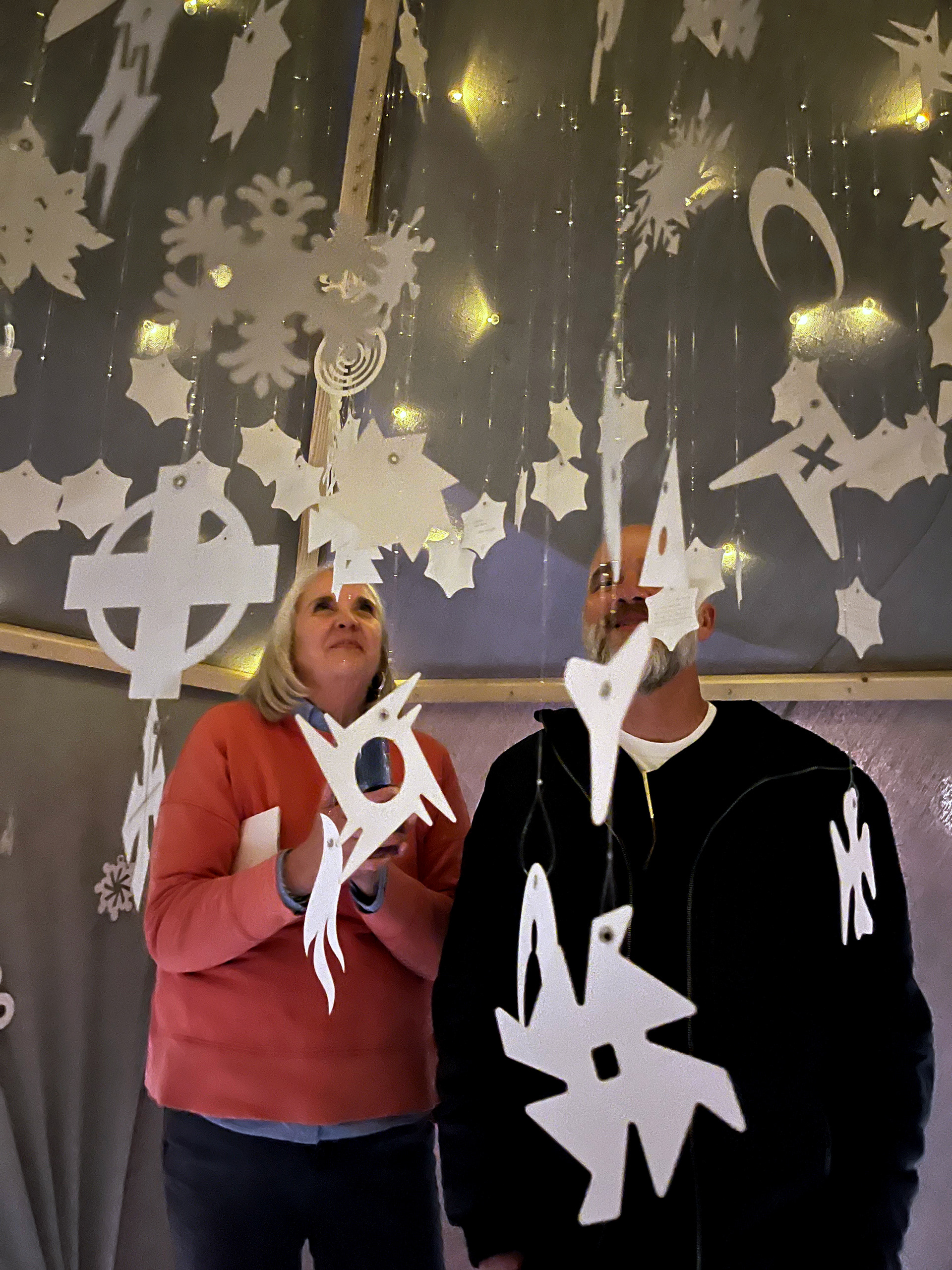
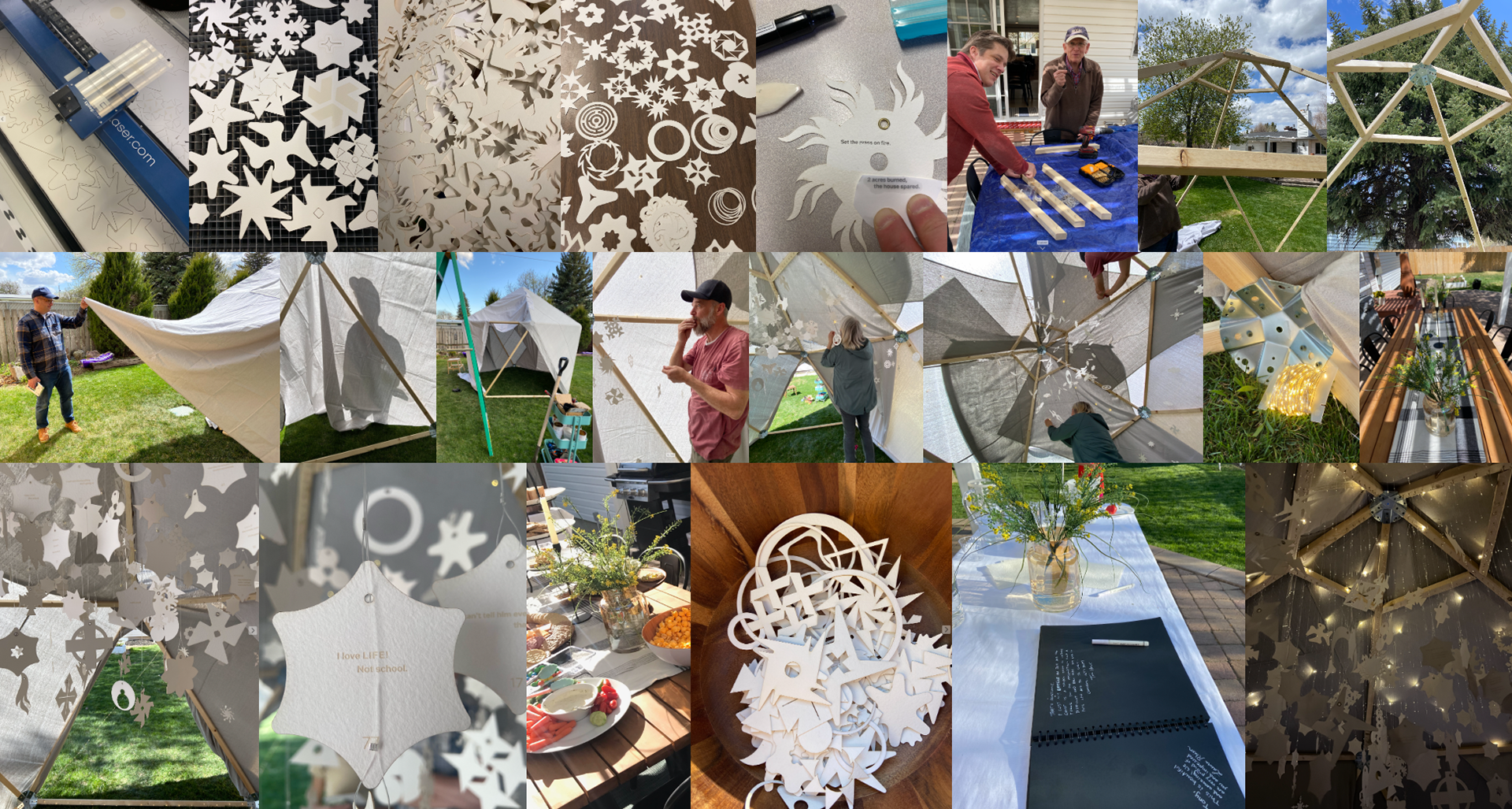
This project asks how design, space, and storytelling can support people through grief. To explore that, I built a memorial for my brother, Nathan Wayne Carpenter (1982–2015). He died seventy-eight months before I started this project. The memorial holds seventy-eight paper snowflakes, each one carrying a piece of his story. Some are funny. Some are hard. Together they form a portrait of my dear brother's life.
A few excerpts:
• Forehead scar. Tony tricked me into it. I bull-rammed the coffee table.
• "Rough-ups" with Dad. We'd scream-laugh until I lost a shoe.
• A discarded cigarette, still good enough to smoke.
• "I spoke from the heart. It was inspired."
• "Rough-ups" with Dad. We'd scream-laugh until I lost a shoe.
• A discarded cigarette, still good enough to smoke.
• "I spoke from the heart. It was inspired."
When someone dies, the silence left behind can feel like a wound. Angus Fletcher argues that silence often turns into guilt, which feeds long-term grief. Storytelling offers a way out. It lets us speak for the people we've lost, and in doing so, keep carrying them forward.
Environmental Design, Visual Experience.

Thesis
People have always shaped the spaces they live in. Today most of those spaces are virtual, and they often leave us more isolated than connected. This project asks what it looks like to use design to shape physical space instead, in a way that supports healing. A space rich with story can help people move through grief and build resilience.
People have always shaped the spaces they live in. Today most of those spaces are virtual, and they often leave us more isolated than connected. This project asks what it looks like to use design to shape physical space instead, in a way that supports healing. A space rich with story can help people move through grief and build resilience.
The Inspiration
February of 2022, my youngest son and I found an abandoned snow fort in the park. We lit a candle for every month since Nate had died and set them inside. The whole fort glowed. It felt quiet and reverent, more powerful than I expected. I wanted to build that same feeling for other people.
February of 2022, my youngest son and I found an abandoned snow fort in the park. We lit a candle for every month since Nate had died and set them inside. The whole fort glowed. It felt quiet and reverent, more powerful than I expected. I wanted to build that same feeling for other people.

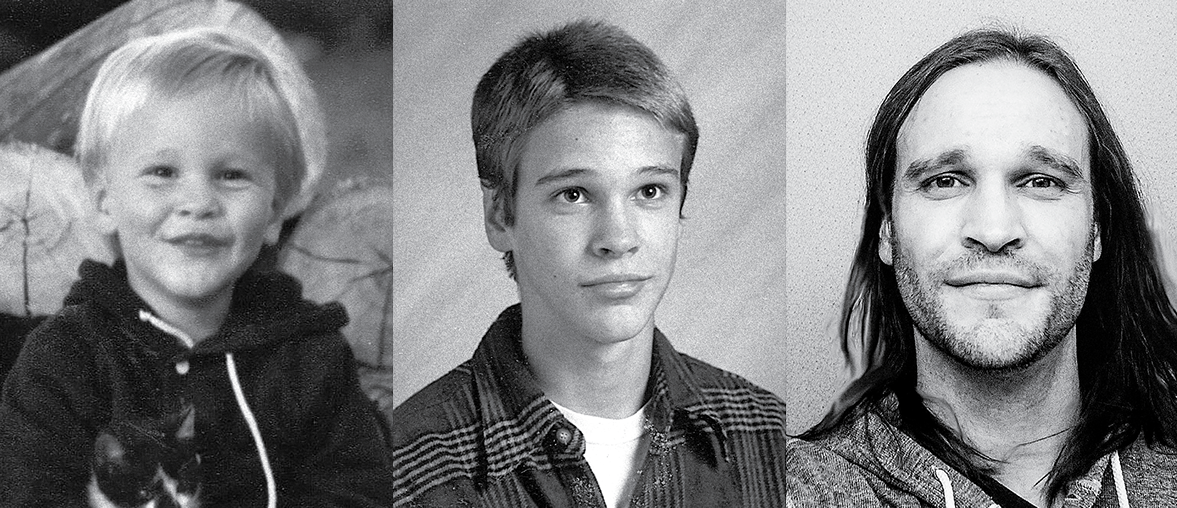
Nathan Wayne Carpenter (1982–2015)
Nate was a walking contradiction, in the best way. Tall, handsome, humble. Loyal to a fault, soft-hearted, quick to stand up for anyone who needed it. Part dreamer, part fighter. Part rebel, part protector. He loved hard, even when it cost him. His hugs stayed with you. So did his laugh. He gave strength to whoever needed it most. Nate died on November 1, 2015.
Nate was a walking contradiction, in the best way. Tall, handsome, humble. Loyal to a fault, soft-hearted, quick to stand up for anyone who needed it. Part dreamer, part fighter. Part rebel, part protector. He loved hard, even when it cost him. His hugs stayed with you. So did his laugh. He gave strength to whoever needed it most. Nate died on November 1, 2015.
Creative Process
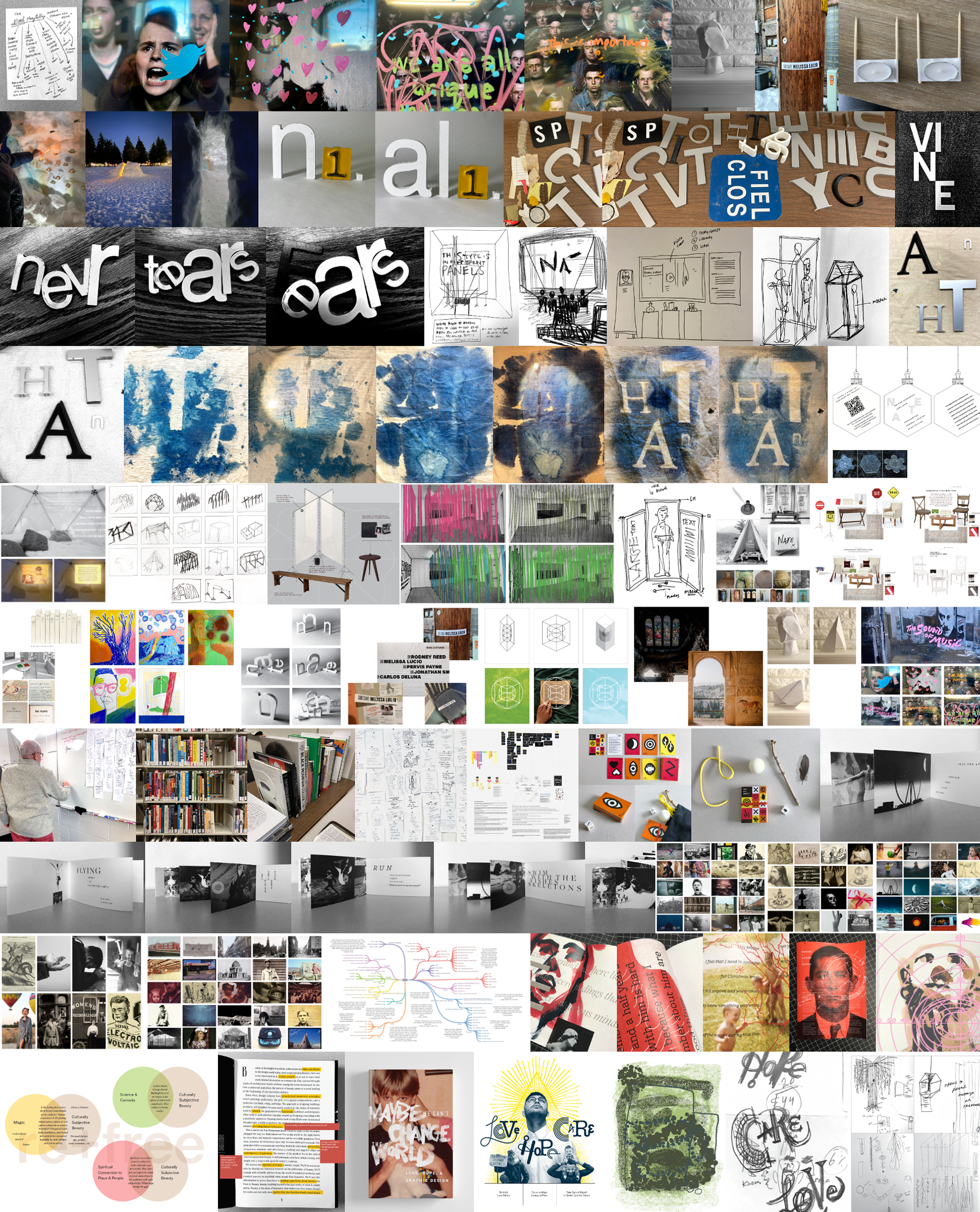
Like most MFA theses, this one took the long way around. I chased a lot of ideas that went nowhere. In the end, it was a simple walk through the park that finally pulled it all together.
Like most MFA theses, this one took the long way around. I chased a lot of ideas that went nowhere. In the end, it was a simple walk through the park that finally pulled it all together.
Acknowledgments
With thanks to Rhonda K. Arntsen, Louis Baker, John Howrey, Scott Samuelson, Shauna Samuelson, Lisa Jones, David Jones, Carla Jimison, Josh Abegglen, Shay Spaulding, Aubrey Spaulding, Jed Rhien, Jake Carpenter, Shelly Carpenter, Lindsay Carpenter, Robert Carpenter, Cliff Carpenter, and Amy Carpenter.
Photography by Ethan Gordon and Amy Carpenter.
With thanks to Rhonda K. Arntsen, Louis Baker, John Howrey, Scott Samuelson, Shauna Samuelson, Lisa Jones, David Jones, Carla Jimison, Josh Abegglen, Shay Spaulding, Aubrey Spaulding, Jed Rhien, Jake Carpenter, Shelly Carpenter, Lindsay Carpenter, Robert Carpenter, Cliff Carpenter, and Amy Carpenter.
Photography by Ethan Gordon and Amy Carpenter.